


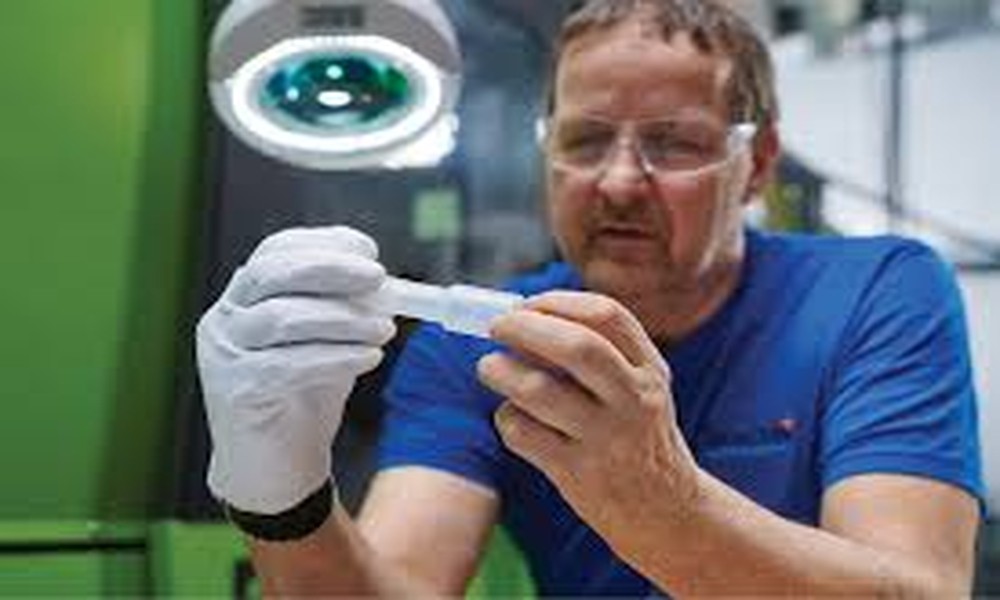
Modern factories require materials that handle pressure, heat, and constant movement. Medical suppliers and electronics brands increasingly choose silicone-based manufacturing solutions. Strong flexibility, cleaner molding, and stable insulation improve industrial production. Across several industries, Liquid Silicone helps manufacturers create dependable precision components.
Precision Molding Changed Industrial Component Production
Complex machinery parts require exact dimensions during large manufacturing cycles. Traditional rubber materials often shrink after repeated industrial heating procedures. Silicone compounds maintain stable shapes during extended automated molding operations.
Medical valves, miniature seals, and sensor covers require dimensional accuracy. Even tiny surface flaws may interrupt equipment performance or electrical safety. Because silicone flows smoothly, manufacturers achieve sharper component detailing.
- Thin medical tubing bends without surface cracking
- Electronic keypads maintain consistent tactile feedback
- Waterproof seals resist outdoor exposure
- Compact connectors tolerate repeated mechanical pressure
Why Do Medical Manufacturers Depend on Silicone Materials?
Healthcare environments demand hygienic materials that resist contamination and sterilization damage. Certain plastics become brittle after repeated exposure inside hospital sterilization chambers. Silicone compounds, however, preserve flexibility through continuous sanitation procedures.
Respiratory masks demonstrate this advantage during prolonged patient treatment sessions. Softer surfaces reduce facial pressure around sensitive skin contact areas. Surgeons also prefer silicone instrument grips that prevent accidental slipping.
Another advantage involves biological compatibility during direct human contact applications. Medical producers avoid materials that trigger irritation during extended wearable device usage.
Electronics Production Requires Stable Protective Materials
Electronic devices generate heat within tightly packed internal component arrangements. Excessive moisture exposure also threatens circuit reliability inside portable consumer products. Silicone barriers reduce these risks while extending product lifespan.
Automotive manufacturers increasingly install silicone-insulated sensors beneath vehicle engine assemblies. Unlike rigid alternatives, flexible insulation handles continuous vibration more effectively. Harsh weather exposure rarely weakens silicone-protected electrical connection points.
Inside advanced electronics facilities, Liquid Silicone supports cleaner automated assembly procedures. Faster curing cycles reduce manufacturing delays across large-volume production environments.
Silicone advantages electronics companies value most:
- Reliable electrical insulation performance
- Flexible vibration absorption capability
- Moisture-resistant protective sealing
- Excellent thermal resistance
Small Components Need Better Material Performance
Miniaturized devices require durable materials that fit increasingly compact product designs. Smartwatches, diagnostic wearables, and handheld scanners depend on flexible internal protection. Even compact battery compartments require dependable environmental sealing under repeated usage conditions.
Because silicone handles thermal fluctuation effectively, product lifespan improves. Consumers rarely notice these hidden protective layers during normal device operation. Yet manufacturers recognize their importance during durability testing procedures.
In contrast, lower-grade alternatives often crack after extended mechanical strain exposure.
Factories Benefit From Faster Automated Manufacturing
Production speed matters across competitive global manufacturing industries. Slow curing materials increase downtime throughout high-volume industrial molding environments. Silicone compounds reduce cycle interruptions while improving output consistency.
Manufacturers also appreciate reduced material waste during precision molding operations. Better flow behavior minimizes defects affecting technical component production. That efficiency lowers operational costs across electronics and healthcare manufacturing sectors.
Manufacturing Innovation Continues Expanding Through Silicone
Industrial production continues evolving toward smaller, smarter, reliable product development worldwide. Medical engineering and electronics manufacturing now demand greater material adaptability than before. Silicone technology satisfies those expectations without sacrificing safety, flexibility, or durability.
