


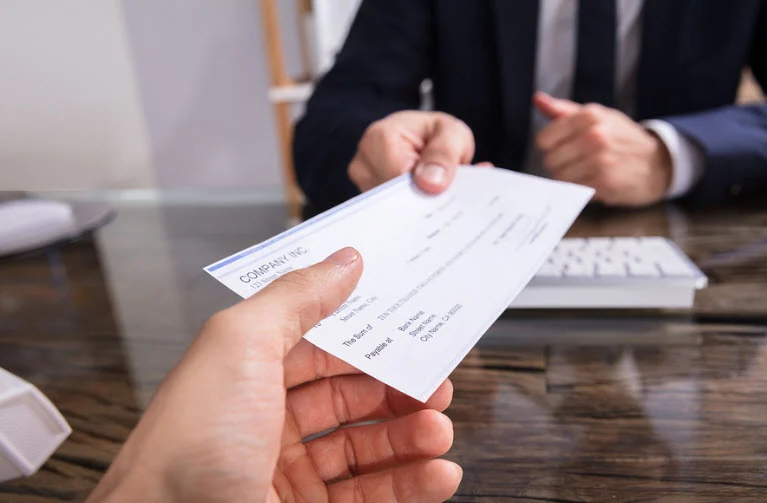
The possibility of printing your own cheques is often met with raised eyebrows and skepticism. Stories about fraud, legal trouble, and bank rejection swirl around forums and office chatter, giving home cheque printing a reputation it rarely deserves. Yet, as technology has advanced, so have the security and legitimacy of printing cheques from your home office.
The Origins of Cheque Printing
Long before home printers lined desks, cheque issuance belonged firmly to banks and major institutions. Ordering personalised cheques meant waiting days or weeks for pre-printed, bank-approved slips to arrive in the mail. This slow, centralized process not only caused frustration but also left little room for flexibility.
The arrival of home computers and basic printers in the late 20th century changed the landscape entirely. Suddenly, everyday people and small business owners found themselves with the tools to manage finances more fluidly.
Early Misconceptions About Printing Cheques at Home
The first hurdle was doubt. Many wondered if producing a cheque outside an official institution could ever be legal or secure. Rumors spread that any home-printed cheque would be greeted with suspicion at best and outright refusal at worst. Others feared financial chaos, imagining that forgers would have a field day with such accessible technology.
Advances in Technology That Changed Home Cheque Printing
These anxieties gradually faded as the technology matured. Security-focused blank cheque paper became widely available, often featuring watermarks, microprinting, and intricate patterns designed to thwart counterfeiting. When paired with reputable accounting software, such as QuickBooks, the process of printing and tracking cheques became both safe and straightforward.
Modern solutions even allow businesses to print all necessary banking details directly onto blank stock, accommodating users with multiple accounts and varied needs.
Debunking Common Myths About Home Cheque Printing
Myth: Printing Cheques at Home Is Illegal
This is perhaps the most persistent misconception. In reality, printing cheques at home is perfectly legal in both Canada and the United States, provided you use paper with standard security features and supply accurate banking information. Banks are required to accept properly formatted cheques, regardless of where they were printed.
Myth: Home-Printed Cheques Are Easy to Forge
While no system is infallible, today’s blank cheque paper rivals bank-issued stock in its security. Features like chemical protection, holograms, and specialty inks make forging a home-printed cheque far more difficult than most people assume.
Myth: Banks Don’t Accept Home-Printed Cheques
Banks process millions of cheques each year from a wide range of sources. As long as the cheque meets layout and security standards, most institutions have no issue with home-printed versions. Always check with your specific bank for any unique formatting requirements.
Myth: You Need Expensive Equipment to Print Secure Cheques
Home or office printers, even basic models, are often sufficient for producing secure cheques if you use proper blank cheque paper. The real protection lies in the paper itself, not in the costliness of your printer.
How Security Features Have Evolved to Protect Home-Printed Cheques
Blank cheque paper now routinely includes overt and covert security elements:
– Watermarks and microprinting deter photocopying and forging.
– Chemical sensitivity reacts to tampering with ink.
– Personalized backgrounds or logos make counterfeiting a bigger challenge.
Accounting software also plays a defensive role by tracking cheque numbers, flagging duplicates, and enabling password-protected printing queues.
Customization adds another layer. Choosing options like unique logos or color schemes ensures that your cheques are harder to replicate and more closely tied to your business identity.
Practical Steps for Printing Cheques at Home Safely
If you’re considering this route, a few best practices will safeguard your finances:
– Purchase only high-quality, security-featured blank cheque paper from reputable providers such as Discount computer cheques, ensuring compatibility with your accounting software.
– Use trusted software like QuickBooks to handle cheque formatting, number tracking, and printing.
– Store blank stock securely and destroy obsolete cheques to avoid potential fraud.
The Future of Cheque Printing: Trends and Innovations
Digital payment options continue to surge, yet cheques remain vital for countless small businesses and individuals. Enhanced digital verification and real-time tracking are making the process even safer. At the same time, innovations aimed at reducing cheque use altogether are gaining ground.
For those who continue to use cheques, solutions that blend traditional security with digital convenience are on the rise. Expect to see continued evolution in blank cheque design and software safeguards.
Final Thoughts: Why Understanding the Evolution Matters
Understanding how home cheque printing has advanced empowers both individuals and small businesses to operate more securely and efficiently. Dispelling outdated myths helps reduce unnecessary risk and makes the most of affordable, modern tools. The next time someone questions the safety or legality of printing cheques at home, you’ll know the facts are squarely on your side.
